
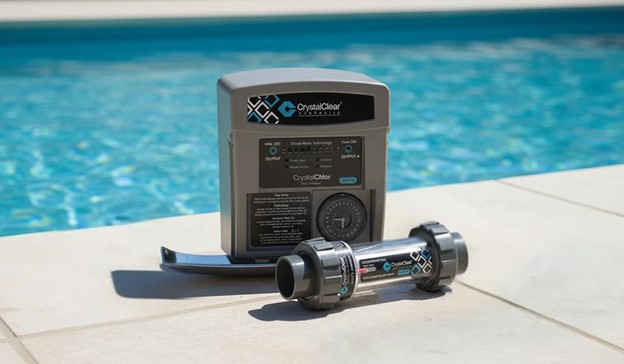
A clean and clear pool makes outdoor time more enjoyable. One of the best systems for achieving this is a swimming pool salt chlorinator. These systems generate their own chlorine from salt in the water, giving you steady cleaning power with minimal effort. Even though they work well, they still need simple care to stay in good condition. When you take the right steps, your chlorinator can last longer, save you money, and keep your pool water healthy. Below are easy ways to boost the performance of your saltwater chlorinator so your pool always looks inviting.
Keep Your Salt Cell Clean
Over time, minerals and calcium can build up on the salt cell plates. When this happens, the cell cannot produce enough chlorine. You may notice cloudy water or more algae forming.
To prevent this:
- Check the cell often
- Rinse using clean water
- Gently remove scale buildup if needed
Do not scrape too hard or use sharp objects because this can damage the cell. Some systems have a self-cleaning option, but a quick manual check keeps everything working smoothly.
Maintain the Right Salt Level
Salt in the water is what allows the system to produce chlorine. Too little salt means weak cleaning. Too much salt may affect the equipment. Always follow the recommended salt range suggested for your specific unit. Most systems work well with a moderate amount of salt. A simple test can help you make sure the level is correct. When the salt level is perfect, your chlorinator works better, and the water feels softer and more comfortable to swim in.
Check the Water Balance
Even with enough salt, the pool needs a proper water balance so chlorine can do its job. Test water often to keep these levels right:
- pH level
- Alkalinity
- Calcium hardness
- Stabiliser levels
Good water balance helps keep the salt cell from wearing out too fast. It also keeps the pool healthier and prevents scale on tiles or metal parts.
Run Your System the Right Amount of Time
Every pool is different. Size, weather, and how often people swim can change how long your system must run. If the water turns cloudy or you notice algae forming, the system might need more running hours.
During warmer months, you may need to run the pump and chlorinator longer each day. Cooler months may require less time. Adjusting the schedule helps the system use energy wisely while keeping water clean.
Clean the Filter Regularly
A dirty filter makes the pool harder to clean. The system must work extra hard, and the chlorine it produces becomes less effective.
To avoid this:
- Rinse the filter on a consistent schedule
- Replace filter elements if they are worn or old.
Good water flow keeps the chlorinator operating properly and helps chlorine spread evenly through the whole pool.
Inspect the Equipment for Wear and Tear
Even strong materials wear out with use. The salt cell, control panel, and wiring should be checked to make sure everything is in working order. If you notice unusual changes or error messages, do not wait too long to have it checked. Sometimes simple fixes can prevent bigger problems later on. This also keeps your pool safe to enjoy every day.
Replace Pool Parts When Needed
Even with great care, every salt cell reaches the end of its working life one day. Replacing the cell when it wears out ensures your pool remains fresh and clean. A new cell produces chlorine better and saves the system from working too hard.
Replacing worn parts is an investment in your pool’s future. It can also save money on major repairs later.
Support From Trusted Local Expertise
While saltwater chlorinators are easy to handle, sometimes you may need help from a professional. You might reach out to a pool builder in Geelong or a local pool service expert who understands how to inspect the equipment and spot early signs of trouble. Having someone nearby helps you make the best decisions for your pool in the long run.
Local experts can also give tips based on the weather and how much the pool is used. This makes it easier to keep everything in balance throughout the year.
Final Thoughts
A saltwater chlorinator is a smart and helpful system, but it needs a bit of attention to stay at its best. Simple checks and regular care can boost its performance and give you cleaner water day after day. If you follow these easy tips, your pool will stay fresh and ready for fun any time you want to take a dip. With regular care and timely upgrades, you can enjoy a great swimming experience in every season.