
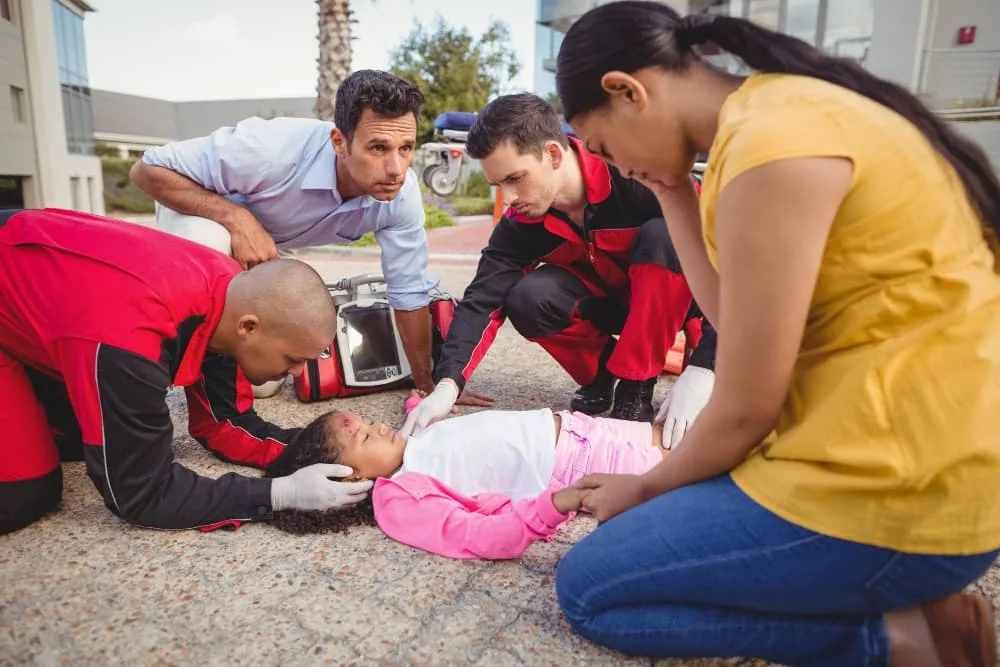
In an emergency, the biggest challenge is not always the injury itself. It is how people react in the first few moments. Panic, hesitation, and confusion often cause more harm than the situation demands. First aid training fundamentally changes this response. Instead of freezing or guessing what to do, trained individuals develop the ability to assess situations quickly, stay calm, and act with purpose. This shift in mindset is what turns ordinary people into effective first responders when it matters most.
From Panic to Presence of Mind
Most emergencies unfold without warning. A fall at home, a sudden medical issue, or an accident in a public place can instantly overwhelm anyone who is unprepared. Without training, people often focus on fear rather than action. First aid training replaces panic with presence of mind. It teaches you how to slow down mentally, evaluate the scene, and prioritise safety before jumping into action. This mental reset allows you to think clearly instead of reacting emotionally.
Learning to Assess Before Acting
One of the most valuable lessons in first aid training is situational awareness. Instead of rushing in blindly, trained individuals learn to scan for hazards, identify the severity of injuries, and decide what needs immediate attention. This structured approach reduces mistakes and prevents further harm. For example, knowing when to move someone and when not to can make a critical difference. Programs such as CPR courses Townsville focus heavily on this decision-making process, helping participants understand not just what to do, but why they are doing it.
Confidence Under Pressure
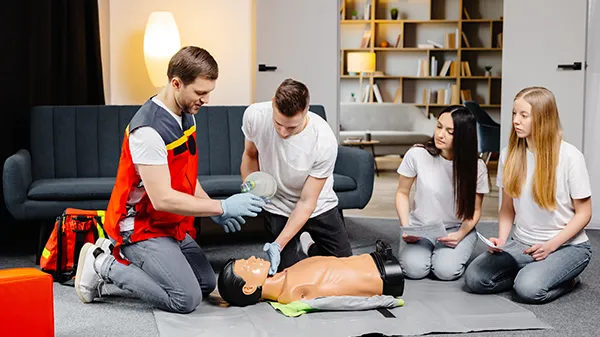
Confidence is not about being fearless. It is about knowing that you have the tools to handle a situation responsibly. First aid training builds this confidence through repetition and realistic scenarios. Practising techniques until they become second nature means your body responds even when your emotions are high. This is why people with Townsville first aid training often report feeling more in control during emergencies. They trust their training and rely on proven steps instead of second-guessing themselves.
Clear Communication in Stressful Moments
Emergencies rarely involve just one person. Bystanders, family members, or coworkers are often present, and confusion can spread quickly. First aid training emphasises communication. You learn how to give clear instructions, delegate tasks, and reassure others while managing the situation. This leadership aspect is often overlooked but is critical. Calm communication helps stabilise the environment and ensures that help arrives faster and more effectively.
Faster, More Effective Responses
Time is one of the most important factors in any crisis. First aid training shortens response time because you already know what to do. There is no delay spent searching for instructions or waiting for someone else to act. Whether it is controlling bleeding, supporting breathing, or monitoring a person until professionals arrive, trained individuals act with purpose. A first aid course townsville equips participants with this readiness, helping them respond immediately rather than hesitantly.
Long-Term Impact Beyond Emergencies
The benefits of first aid training extend far beyond emergency situations. It changes how you view risk, safety, and responsibility in everyday life. Trained individuals tend to be more aware of their surroundings and more proactive about preventing accidents in the first place. This awareness contributes to safer homes, workplaces, and communities. Over time, this mindset becomes part of who you are, not just something you switch on during a crisis.

A Skill That Shapes Behaviour
First aid training does more than teach techniques. It reshapes how you think and react when something goes wrong. By replacing panic with clarity and hesitation with action, it prepares you to face unexpected situations with confidence and control. In moments where every second counts, this transformation can make a life-changing difference.